Pet Insurance with Dental Coverage: Protecting Your Furry Friend’s Pearly Whites
Introduction:
As pet owners, we prioritize the health and well-being of our beloved companions. We feed them nutritious food, provide comfortable shelter, and shower them with affection. However, one aspect of pet care that often gets overlooked is dental health. Just like humans, pets are susceptible to dental problems that can cause pain, discomfort, and even systemic health issues. This is where pet insurance with dental coverage becomes invaluable.
Why Dental Care is Crucial for Pets:
Dental health is an integral part of a pet’s overall health. Neglecting your pet’s teeth can lead to a host of problems, including:
-
Periodontal Disease: This is the most common dental disease in pets, affecting up to 80% of dogs and 70% of cats by the age of three. It starts with plaque and tartar buildup, leading to inflammation of the gums (gingivitis). If left untreated, it can progress to periodontitis, which damages the tissues and bones supporting the teeth, potentially leading to tooth loss.
-
Pain and Discomfort: Dental problems can cause significant pain and discomfort for pets. They may show signs such as reluctance to eat, drooling, pawing at their mouth, or changes in behavior.
-
Systemic Health Issues: The bacteria from periodontal disease can enter the bloodstream and affect other organs, such as the heart, kidneys, and liver. This can lead to serious health complications and shorten your pet’s lifespan.
-
Tooth Abscesses and Infections: Damaged or infected teeth can develop abscesses, which are painful pockets of pus. Infections can spread to surrounding tissues and even the bloodstream, causing severe illness.
-
Bad Breath: While bad breath (halitosis) may seem like a minor issue, it’s often a sign of underlying dental problems.
The Cost of Dental Care for Pets:
Dental treatments for pets can be expensive, especially if they require specialized procedures or surgery. Here’s a general idea of the costs involved:
- Routine Dental Cleaning: $200 – $600 (depending on the size of the pet and the location)
- Tooth Extraction: $200 – $1,000 per tooth (depending on the complexity of the extraction)
- Root Canal: $1,000 – $3,000 per tooth
- Dental X-rays: $100 – $300
These costs can quickly add up, making pet insurance with dental coverage a worthwhile investment.
Understanding Pet Insurance with Dental Coverage:
Pet insurance with dental coverage helps you manage the costs of dental care for your furry friend. However, it’s essential to understand the different types of coverage available and what they typically include.
-
Comprehensive Pet Insurance Plans: These plans usually cover a wide range of dental treatments, including:
- Routine dental cleanings
- Treatment for periodontal disease
- Tooth extractions
- Root canals
- Dental X-rays
- Treatment for dental injuries
-
Accident-Only Plans: These plans may cover dental care if it’s required due to an accident, such as a broken tooth from a fall.
-
Wellness Plans: Some pet insurance companies offer wellness plans that can be added to your policy. These plans typically cover routine dental cleanings and preventive care.
What to Look for in a Pet Insurance Plan with Dental Coverage:
When choosing a pet insurance plan with dental coverage, consider the following factors:
-
Coverage: Make sure the plan covers the dental treatments your pet is most likely to need, such as routine cleanings, treatment for periodontal disease, and tooth extractions.
-
Waiting Periods: Most pet insurance plans have waiting periods before coverage begins. Find out how long you’ll have to wait before your pet’s dental care is covered.
-
Deductibles: A deductible is the amount you have to pay out-of-pocket before your insurance coverage kicks in. Consider the deductible amount and how it fits into your budget.
-
Reimbursement Percentage: Pet insurance plans typically reimburse a percentage of the covered costs, such as 70%, 80%, or 90%. Choose a plan with a reimbursement percentage that works for you.
-
Annual Limits: Some pet insurance plans have annual limits on how much they’ll pay out for dental care. Make sure the limit is high enough to cover your pet’s potential dental needs.
-
Pre-existing Conditions: Most pet insurance plans don’t cover pre-existing conditions. If your pet has any existing dental problems, they may not be covered by the plan.
-
Exclusions: Be aware of any exclusions in the policy. For example, some plans may not cover cosmetic dental procedures or dental care related to breed-specific conditions.
-
Customer Reviews and Reputation: Research the pet insurance company’s customer reviews and reputation. Look for a company with a good track record of paying claims and providing excellent customer service.
Tips for Maintaining Your Pet’s Dental Health:
Even with pet insurance, it’s essential to take proactive steps to maintain your pet’s dental health. Here are some tips:
-
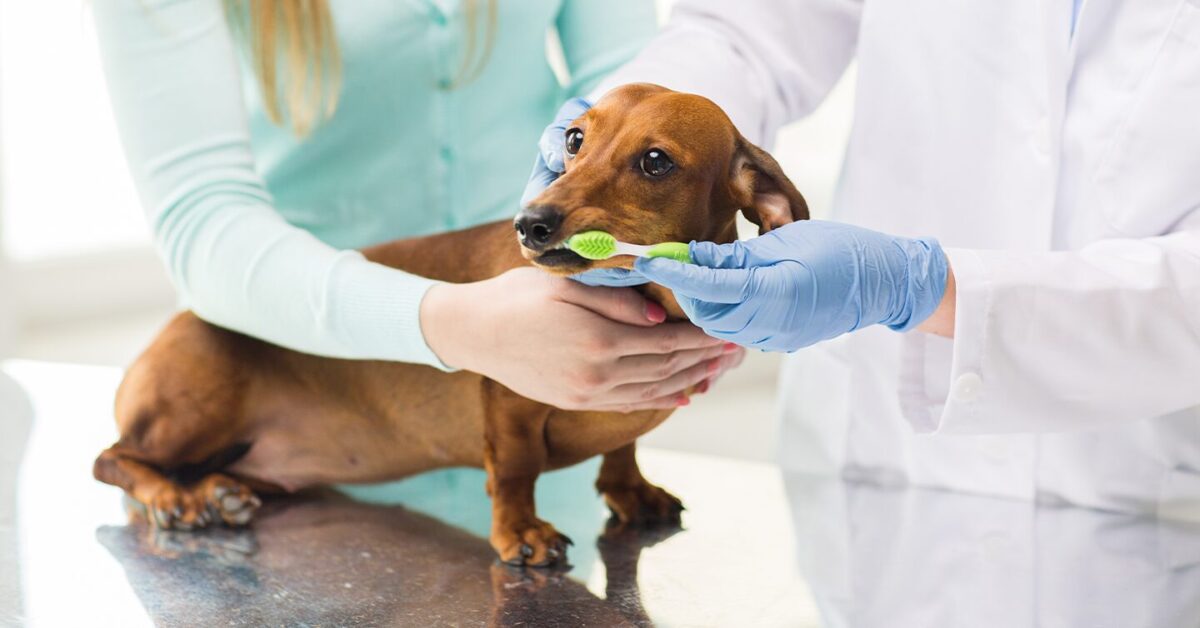
Brush Your Pet’s Teeth Regularly: Ideally, you should brush your pet’s teeth daily. Use a pet-specific toothbrush and toothpaste.
-
Provide Dental Chews and Toys: Dental chews and toys can help remove plaque and tartar buildup. Choose chews and toys that are safe and appropriate for your pet’s size and chewing habits.
-
Feed a Dental-Specific Diet: Some pet food companies offer diets that are specifically formulated to promote dental health. These diets often have larger kibble sizes that help scrape away plaque and tartar.
-
Schedule Regular Dental Checkups: Take your pet to the veterinarian for regular dental checkups. Your vet can identify and treat any dental problems early on.
-
Consider Professional Dental Cleanings: Your vet may recommend professional dental cleanings to remove plaque and tartar buildup. These cleanings are typically performed under anesthesia.
Conclusion:
Pet insurance with dental coverage can provide peace of mind and financial protection for your furry friend’s dental health. By understanding the different types of coverage available and choosing a plan that meets your pet’s needs, you can help ensure they receive the dental care they need to stay healthy and happy. Remember, proactive dental care is essential for preventing dental problems and maintaining your pet’s overall well-being.
Keywords: pet insurance, dental coverage, pet dental care, periodontal disease, tooth extraction, dental cleaning, pet health, pet wellness, dog dental care, cat dental care, pet insurance comparison.