Business Liability Insurance: Protecting Your Business from Financial Ruin
Business liability insurance is a critical safeguard for businesses of all sizes, providing financial protection against legal claims and lawsuits arising from bodily injury, property damage, or other types of harm caused to third parties. In today’s litigious society, where lawsuits are increasingly common, having adequate liability coverage is essential to protect a business’s assets and ensure its long-term viability.
What is Business Liability Insurance?
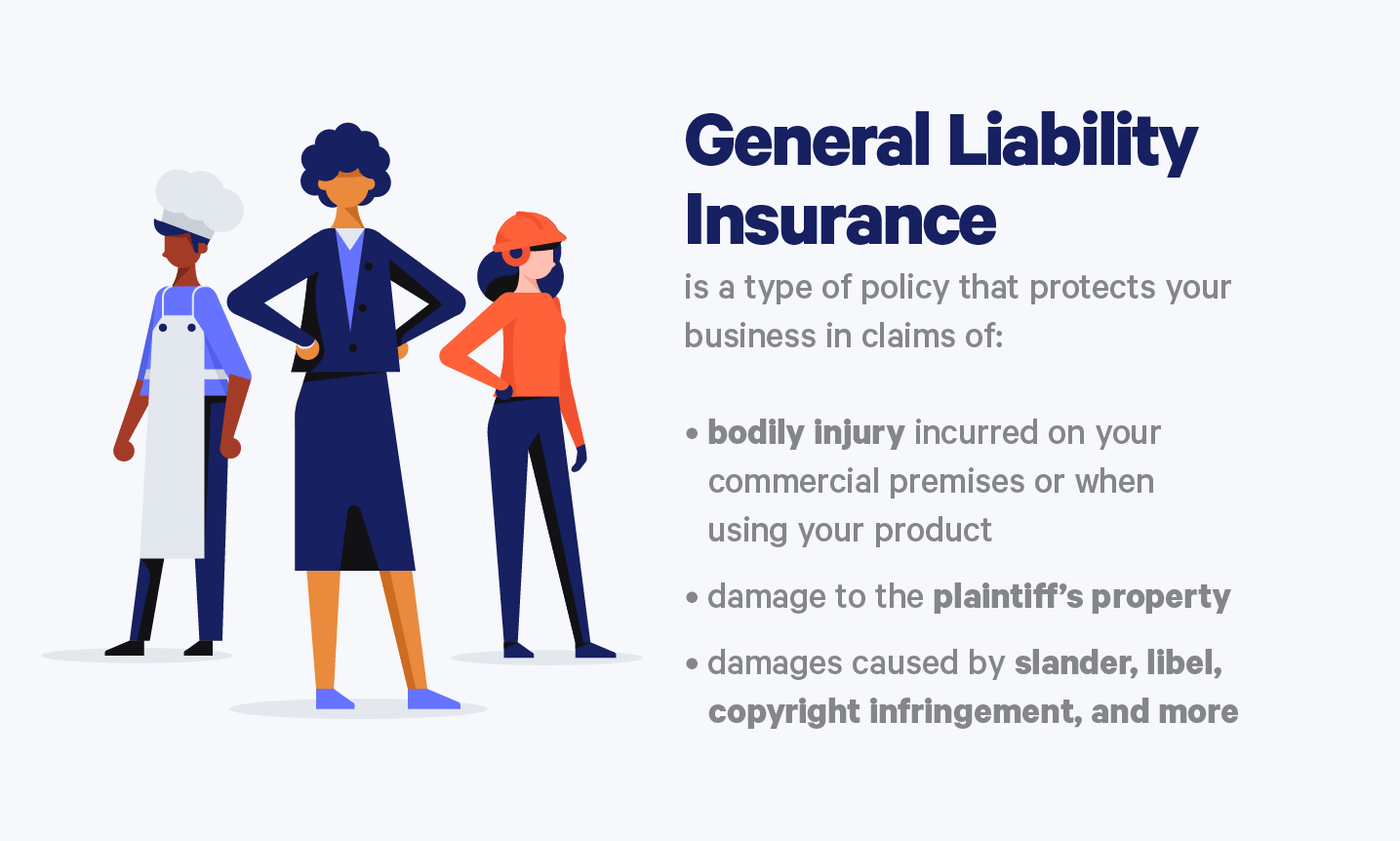
Business liability insurance, also known as commercial general liability (CGL) insurance, is a type of insurance policy that protects businesses from financial losses resulting from claims of negligence, personal injury, property damage, or advertising injury caused to a third party. It covers the costs of legal defense, settlements, and judgments, up to the policy’s coverage limits.
Why is Business Liability Insurance Important?
Business liability insurance is essential for several reasons:
- Protection against Lawsuits: Lawsuits can be incredibly expensive, even if the business is ultimately found not liable. Liability insurance covers the costs of legal defense, including attorney fees, court costs, and expert witness fees. If the business is found liable, the insurance policy will cover the costs of settlements or judgments, up to the policy’s coverage limits.
- Financial Security: Without liability insurance, a business could be forced to pay out of pocket for legal expenses and damages, which could quickly deplete its assets and even lead to bankruptcy. Liability insurance provides a financial safety net, protecting the business from potentially devastating financial losses.
- Peace of Mind: Knowing that you have liability insurance can provide peace of mind, allowing you to focus on running your business without worrying about the financial consequences of potential lawsuits.
- Compliance with Regulations: In some industries, liability insurance is required by law or by regulatory bodies. For example, contractors may be required to have liability insurance to obtain permits or licenses.
- Protection of Reputation: A lawsuit can damage a business’s reputation, even if the business is ultimately found not liable. Liability insurance can help to mitigate the damage by providing resources for public relations and crisis management.
Types of Business Liability Insurance:
There are several types of business liability insurance, each designed to protect against specific types of risks. The most common types include:
- Commercial General Liability (CGL) Insurance: This is the most basic type of business liability insurance, providing coverage for bodily injury, property damage, and advertising injury caused to third parties.
- Professional Liability Insurance (Errors and Omissions Insurance): This type of insurance protects businesses that provide professional services, such as doctors, lawyers, and accountants, from claims of negligence or errors in their professional advice or services.
- Product Liability Insurance: This type of insurance protects businesses that manufacture, distribute, or sell products from claims of bodily injury or property damage caused by their products.
- Cyber Liability Insurance: This type of insurance protects businesses from financial losses resulting from data breaches, cyberattacks, and other cyber-related incidents.
- Workers’ Compensation Insurance: This type of insurance provides coverage for medical expenses and lost wages for employees who are injured on the job.
- Directors and Officers (D&O) Insurance: This type of insurance protects the directors and officers of a company from personal liability for their actions or decisions made in their capacity as directors and officers.
What Does Business Liability Insurance Cover?
Business liability insurance typically covers the following types of claims:
- Bodily Injury: This includes injuries sustained by third parties on the business premises or as a result of the business’s operations.
- Property Damage: This includes damage to the property of third parties caused by the business’s operations.
- Advertising Injury: This includes claims of libel, slander, copyright infringement, or other types of advertising-related harm.
- Personal Injury: This includes claims of false arrest, malicious prosecution, or wrongful eviction.
Factors That Affect the Cost of Business Liability Insurance:
The cost of business liability insurance depends on a number of factors, including:
- Type of Business: Some businesses are considered to be higher risk than others, and will therefore pay higher premiums.
- Size of Business: Larger businesses typically pay higher premiums than smaller businesses, as they have more exposure to risk.
- Location of Business: Businesses located in areas with high crime rates or frequent natural disasters may pay higher premiums.
- Coverage Limits: Higher coverage limits will result in higher premiums.
- Deductible: A higher deductible will result in lower premiums.
- Claims History: Businesses with a history of claims will typically pay higher premiums.
How to Choose the Right Business Liability Insurance Policy:
Choosing the right business liability insurance policy is essential to ensure that your business is adequately protected. Here are some tips to help you choose the right policy:
- Assess Your Risks: Identify the potential risks that your business faces, such as bodily injury, property damage, advertising injury, or product liability.
- Determine Your Coverage Needs: Based on your risk assessment, determine the appropriate coverage limits for your business.
- Shop Around: Get quotes from multiple insurance providers to compare prices and coverage options.
- Read the Fine Print: Carefully review the policy terms and conditions to understand what is covered and what is excluded.
- Work with an Insurance Professional: An insurance professional can help you assess your risks, determine your coverage needs, and find the right policy for your business.
Conclusion:
Business liability insurance is a crucial investment for any business, providing financial protection against potentially devastating lawsuits and claims. By understanding the different types of liability insurance, the factors that affect the cost, and how to choose the right policy, businesses can protect their assets, ensure their long-term viability, and focus on growth and success.