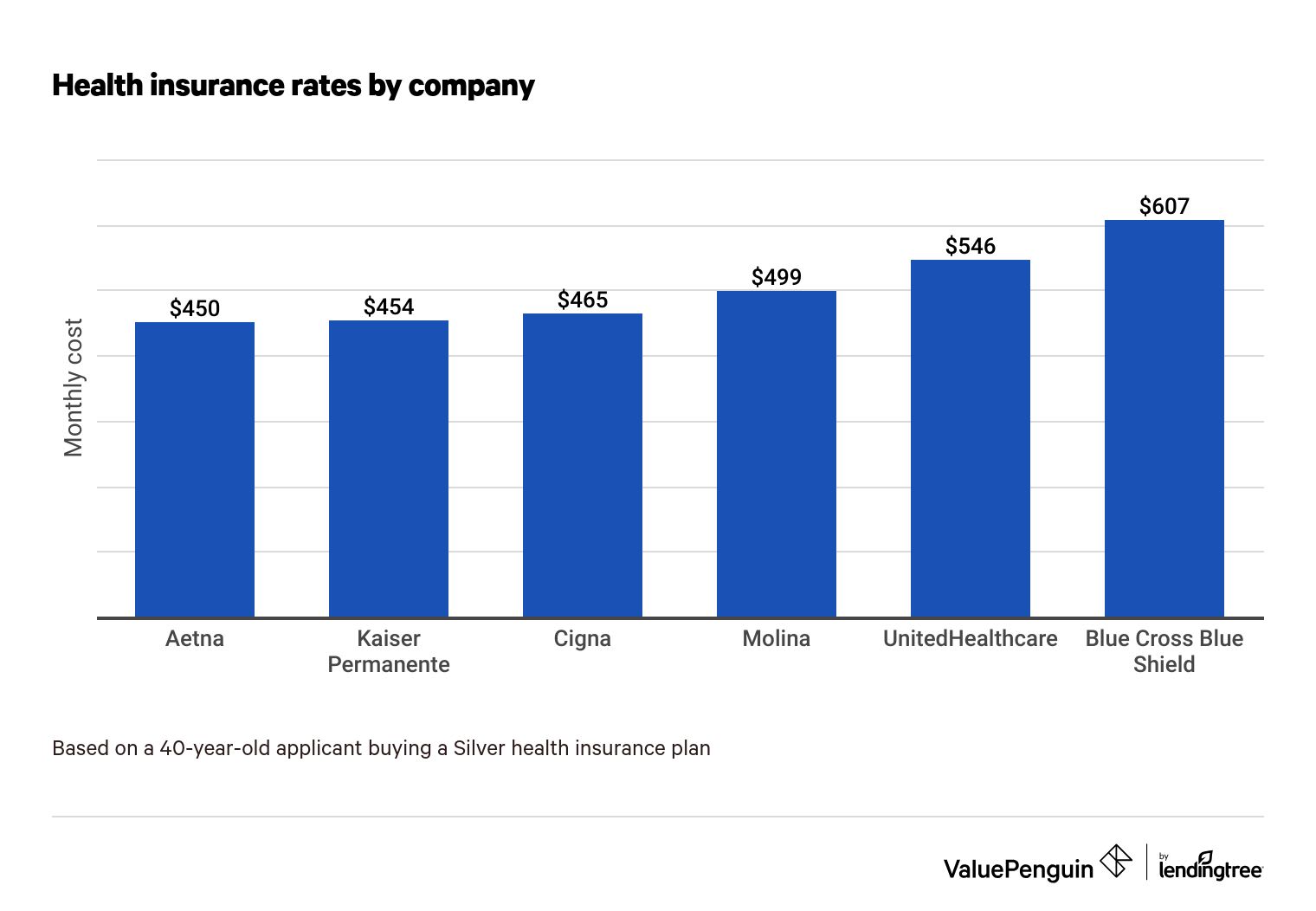
Comparing Health Insurance Rates: A Comprehensive Guide to Finding Affordable Coverage
In today’s world, health insurance is a necessity. It protects you from the high costs of medical care and ensures you have access to the healthcare you need. However, health insurance can be expensive, and the rates can vary significantly depending on several factors. Comparing health insurance rates is crucial to finding affordable coverage that meets your needs.
Why Compare Health Insurance Rates?
- Affordability: The most obvious reason to compare rates is to find the most affordable plan. Health insurance premiums can vary widely, even for similar coverage levels. Comparing rates allows you to see which insurers offer the best value for your money.
- Coverage: Different health insurance plans offer different levels of coverage. Some plans may have lower premiums but higher deductibles or copayments, while others may have higher premiums but lower out-of-pocket costs. Comparing rates and coverage options allows you to find a plan that fits your healthcare needs and budget.
- Benefits: Health insurance plans may also offer different benefits, such as vision, dental, or wellness programs. Comparing rates and benefits can help you find a plan that offers the specific benefits you need.
- Network: Health insurance plans typically have a network of doctors, hospitals, and other healthcare providers. If you have a preferred doctor or hospital, you’ll want to make sure they’re in the plan’s network. Comparing rates and networks can help you find a plan that includes your preferred providers.
Factors That Affect Health Insurance Rates
Several factors can affect health insurance rates, including:
- Age: Older individuals typically pay higher premiums than younger individuals because they are more likely to need medical care.
- Location: Health insurance rates can vary depending on where you live. This is because healthcare costs can vary from one region to another.
- Gender: In some states, women may pay slightly higher premiums than men because they tend to use more healthcare services.
- Tobacco Use: Smokers typically pay higher premiums than non-smokers because they are at higher risk for certain health conditions.
- Health Status: If you have pre-existing medical conditions, you may pay higher premiums or have limited coverage options.
- Plan Type: Different types of health insurance plans have different premiums. For example, HMO plans typically have lower premiums than PPO plans.
- Coverage Level: Plans with lower deductibles and copayments typically have higher premiums than plans with higher deductibles and copayments.
How to Compare Health Insurance Rates
There are several ways to compare health insurance rates:
- Online Health Insurance Marketplaces: The Affordable Care Act (ACA) created online health insurance marketplaces where you can compare plans and rates from different insurers. These marketplaces are available in every state.
- Insurance Company Websites: You can also compare rates by visiting the websites of individual health insurance companies.
- Insurance Brokers: An insurance broker can help you compare plans and rates from multiple insurers. Brokers can also help you understand the different plan options and choose the best plan for your needs.
Tips for Comparing Health Insurance Rates
Here are some tips for comparing health insurance rates:
- Determine Your Needs: Before you start comparing rates, take some time to determine your healthcare needs. How often do you visit the doctor? Do you have any pre-existing medical conditions? What kind of coverage do you need?
- Consider All Costs: When comparing rates, don’t just focus on the premium. Also, consider the deductible, copayments, and coinsurance. These out-of-pocket costs can add up quickly if you need a lot of medical care.
- Compare Coverage: Make sure you compare the coverage offered by different plans. Does the plan cover the services you need? Does it have any limitations or exclusions?
- Check the Network: If you have a preferred doctor or hospital, make sure they’re in the plan’s network.
- Read the Fine Print: Before you enroll in a plan, read the fine print carefully. Make sure you understand the terms and conditions of the plan.
- Get Help: If you’re not sure which plan is right for you, get help from an insurance broker or a healthcare navigator.
Types of Health Insurance Plans
There are several types of health insurance plans available, including:
- Health Maintenance Organization (HMO): HMO plans typically have lower premiums than other types of plans. However, you’re usually required to choose a primary care physician (PCP) who will coordinate your care. You’ll also need a referral from your PCP to see a specialist.
- Preferred Provider Organization (PPO): PPO plans offer more flexibility than HMO plans. You can see any doctor or specialist you want without a referral. However, you’ll pay less if you see a provider in the plan’s network.
- Exclusive Provider Organization (EPO): EPO plans are similar to HMO plans, but you’re not required to choose a PCP. You can see any doctor or specialist in the plan’s network without a referral. However, you won’t have coverage if you see a provider outside the network.
- Point of Service (POS): POS plans are a hybrid of HMO and PPO plans. You’re usually required to choose a PCP, but you can see a specialist outside the network for a higher cost.
- High-Deductible Health Plan (HDHP): HDHPs have lower premiums than other types of plans, but you’ll have to pay a higher deductible before your coverage kicks in. HDHPs are often paired with a health savings account (HSA), which allows you to save money tax-free for healthcare expenses.
Government Subsidies
If you have low to moderate income, you may be eligible for government subsidies to help pay for your health insurance premiums. These subsidies are available through the online health insurance marketplaces.
Conclusion
Comparing health insurance rates is essential to finding affordable coverage that meets your needs. By considering the factors that affect rates, comparing plans and coverage options, and taking advantage of government subsidies, you can find a health insurance plan that fits your budget and provides the healthcare you need.