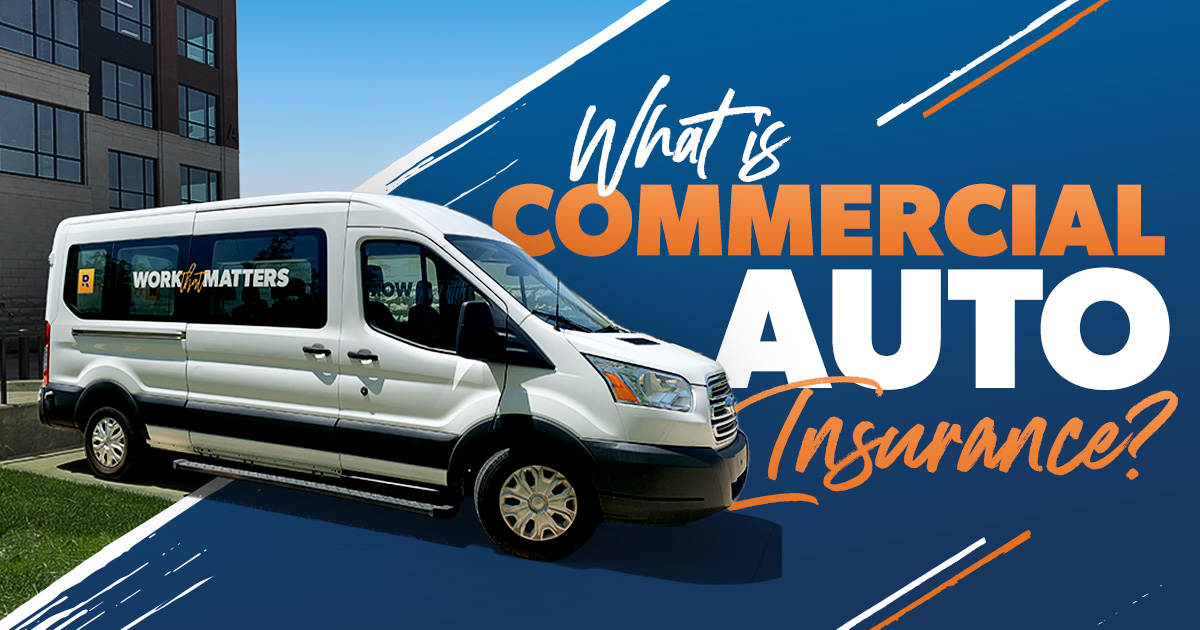
Commercial Vehicle Insurance: Protecting Your Business on the Road
In today’s dynamic business landscape, commercial vehicles play a pivotal role in the smooth operation of numerous industries. From transporting goods and equipment to providing essential services, these vehicles are the lifeblood of many enterprises. However, the use of commercial vehicles also entails inherent risks, making commercial vehicle insurance an indispensable component of responsible business management.
Commercial vehicle insurance is a specialized type of insurance coverage designed to protect businesses from the financial consequences of accidents, damages, and liabilities involving their commercial vehicles. Unlike personal auto insurance, which caters to individual drivers and their private vehicles, commercial vehicle insurance is tailored to the unique needs and risks associated with operating vehicles for business purposes.
Who Needs Commercial Vehicle Insurance?
Commercial vehicle insurance is not a one-size-fits-all solution. The need for this type of insurance depends on the nature of the business, the types of vehicles used, and the scope of operations. Generally, businesses that operate the following types of vehicles should consider commercial vehicle insurance:
- Trucks: Including box trucks, semi-trucks, dump trucks, and pickup trucks used for hauling goods, equipment, or materials.
- Vans: Such as cargo vans, passenger vans, and delivery vans used for transporting people or goods.
- Buses: Including school buses, shuttle buses, and tour buses used for transporting passengers.
- Taxis and Ride-Sharing Vehicles: Vehicles used for providing transportation services to the public.
- Construction Vehicles: Such as bulldozers, excavators, and cranes used at construction sites.
- Service Vehicles: Including tow trucks, utility trucks, and repair vehicles used for providing specialized services.
In addition to the type of vehicle, the following factors may also indicate the need for commercial vehicle insurance:
- Vehicle Ownership: If the vehicle is owned by the business, commercial vehicle insurance is typically required.
- Vehicle Use: If the vehicle is used primarily for business purposes, even if it is also used for personal errands, commercial vehicle insurance may be necessary.
- Employee Use: If employees operate the vehicle, commercial vehicle insurance is essential to protect the business from liability.
- State and Federal Regulations: Many states and federal agencies require businesses to carry commercial vehicle insurance to operate legally.
Types of Commercial Vehicle Insurance Coverage
Commercial vehicle insurance policies typically offer a range of coverage options that can be customized to meet the specific needs of a business. Some of the most common types of coverage include:
- Liability Coverage: This is the cornerstone of commercial vehicle insurance, providing protection against financial losses resulting from bodily injury or property damage caused to others in an accident. Liability coverage can help cover medical expenses, legal fees, and settlement costs.
- Physical Damage Coverage: This coverage protects the business’s vehicles from physical damage caused by accidents, collisions, theft, vandalism, or natural disasters. Physical damage coverage typically includes two main components:
- Collision Coverage: This covers damage to the vehicle caused by collisions with other vehicles or objects, regardless of who is at fault.
- Comprehensive Coverage: This covers damage to the vehicle caused by events other than collisions, such as theft, vandalism, fire, or natural disasters.
- Uninsured/Underinsured Motorist Coverage: This coverage protects the business and its employees if they are involved in an accident with an uninsured or underinsured driver. It can help cover medical expenses, lost wages, and other damages.
- Medical Payments Coverage: This coverage helps pay for medical expenses incurred by the driver and passengers of the insured vehicle, regardless of who is at fault in an accident.
- Cargo Coverage: This coverage protects the business’s cargo from loss or damage during transit. It can help cover the cost of replacing or repairing damaged goods.
- Hired and Non-Owned Auto Coverage: This coverage provides liability protection for vehicles that the business hires or uses but does not own. This can be useful for businesses that rent vehicles or have employees who use their personal vehicles for business purposes.
Factors Affecting Commercial Vehicle Insurance Costs
The cost of commercial vehicle insurance can vary significantly depending on several factors, including:
- Type of Vehicle: Larger and more expensive vehicles typically have higher insurance premiums.
- Vehicle Usage: Vehicles used for long-haul trucking or hazardous materials transportation may have higher premiums due to the increased risk.
- Driving History: The driving records of the business’s drivers can significantly impact insurance costs. Drivers with accidents or traffic violations may result in higher premiums.
- Coverage Limits: Higher coverage limits typically result in higher premiums.
- Deductibles: Choosing a higher deductible can lower the premium, but it also means the business will have to pay more out-of-pocket in the event of a claim.
- Location: Insurance rates can vary depending on the location of the business and the areas where the vehicles operate.
- Industry: Some industries, such as trucking and construction, may have higher insurance rates due to the inherent risks involved.
- Business Size: Larger businesses with more vehicles may be able to negotiate better insurance rates.
Tips for Obtaining Affordable Commercial Vehicle Insurance
While commercial vehicle insurance can be a significant expense for businesses, there are several strategies that can help reduce costs:
- Shop Around: Get quotes from multiple insurance providers to compare rates and coverage options.
- Improve Driving Records: Implement a driver safety program and encourage drivers to maintain clean driving records.
- Increase Deductibles: Consider raising deductibles to lower premiums, but make sure the business can afford to pay the deductible in the event of a claim.
- Bundle Coverage: If the business has other insurance needs, such as property insurance or general liability insurance, consider bundling coverage with the same provider to potentially save money.
- Maintain Vehicles: Regularly maintain vehicles to reduce the risk of accidents and breakdowns.
- Review Coverage Annually: Review the business’s insurance needs annually to ensure that the coverage is still adequate and cost-effective.
- Consider Telematics: Telematics devices can track driver behavior and vehicle performance, which can help improve safety and potentially lower insurance costs.
- Work with an Independent Agent: An independent insurance agent can help the business find the best coverage options and rates from multiple insurance providers.
Conclusion
Commercial vehicle insurance is an essential investment for businesses that rely on vehicles to operate. It provides crucial financial protection against accidents, damages, and liabilities, helping businesses stay afloat in the face of unexpected events. By understanding the different types of coverage available, the factors that affect insurance costs, and the strategies for obtaining affordable insurance, businesses can make informed decisions to protect their assets and ensure their long-term success on the road.