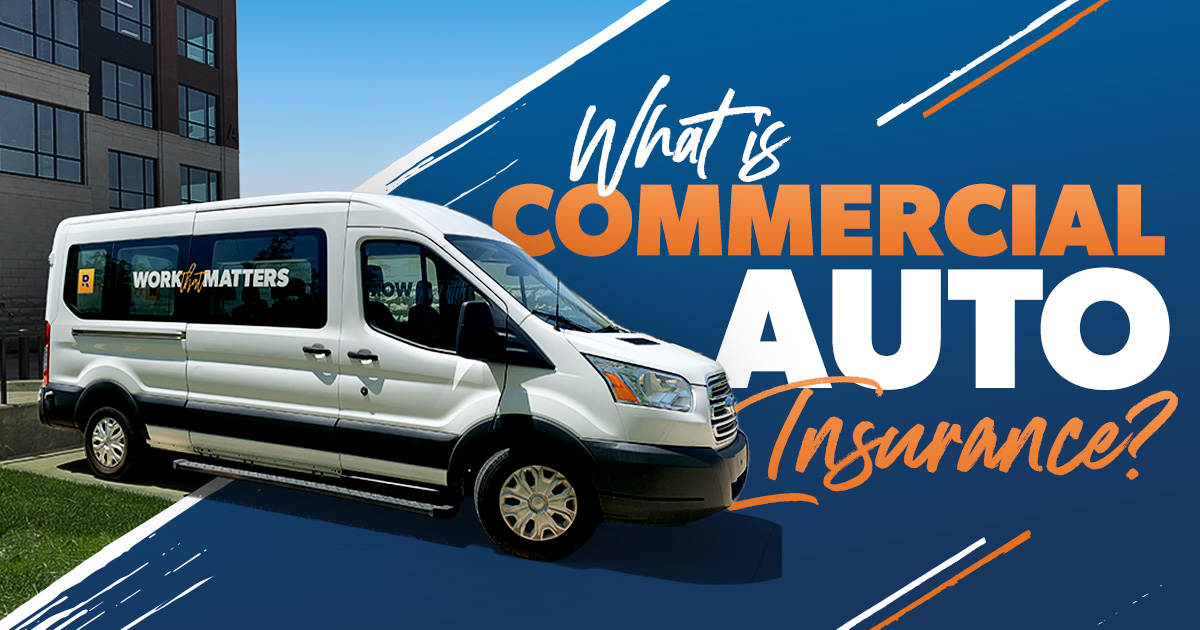
Commercial Vehicle Insurance: A Comprehensive Guide for Business Owners
Running a business that relies on vehicles comes with unique risks and responsibilities. Commercial vehicle insurance is a critical safeguard that protects your company from the financial consequences of accidents, damages, and liabilities involving your business-owned vehicles. This comprehensive guide will delve into the intricacies of commercial vehicle insurance, covering its importance, types, factors affecting premiums, and tips for choosing the right coverage.
Why Commercial Vehicle Insurance Matters
Commercial vehicle insurance is not just a legal requirement in most jurisdictions; it’s an essential component of responsible business management. Here’s why it’s crucial:
- Legal Compliance: Most states and countries mandate that businesses operating vehicles for commercial purposes carry adequate insurance coverage. Failure to comply can result in hefty fines, penalties, and even the suspension of business operations.
- Financial Protection: Accidents can lead to significant financial losses, including vehicle repair or replacement costs, medical expenses, legal fees, and potential settlements in liability lawsuits. Commercial vehicle insurance helps cover these expenses, preventing your business from incurring crippling debt.
- Liability Coverage: If your business vehicle causes an accident that results in injuries or property damage to others, your company could be held liable. Commercial vehicle insurance provides liability coverage to protect your business from these claims, covering legal defense costs and potential settlements.
- Asset Protection: Commercial vehicles represent a significant investment for many businesses. Insurance safeguards this investment by covering damages caused by accidents, theft, vandalism, or natural disasters, ensuring your business can continue operating without major financial setbacks.
- Business Continuity: A serious accident involving a commercial vehicle can disrupt your business operations, leading to lost revenue and productivity. Commercial vehicle insurance can help mitigate these disruptions by providing coverage for vehicle repairs or replacements, allowing your business to get back on track quickly.
- Peace of Mind: Knowing that your business is adequately insured provides peace of mind, allowing you to focus on running your company without constantly worrying about the potential financial consequences of vehicle-related incidents.
Types of Commercial Vehicle Insurance Coverage
Commercial vehicle insurance policies typically offer a range of coverage options, which can be tailored to meet the specific needs of your business. Here are some common types of coverage:
- Commercial Auto Liability Coverage: This is the cornerstone of most commercial vehicle insurance policies. It covers bodily injury and property damage that your business is legally responsible for due to an accident caused by your vehicle. It includes coverage for legal defense costs, settlements, and judgments.
-
Physical Damage Coverage:
- Collision Coverage: Pays for damage to your vehicle if it collides with another vehicle or object, regardless of who is at fault.
- Comprehensive Coverage: Covers damage to your vehicle from non-collision events such as theft, vandalism, fire, natural disasters (hail, wind, floods), and falling objects.
- Uninsured/Underinsured Motorist Coverage: Protects your business if your vehicle is involved in an accident with a driver who is uninsured or underinsured. It covers your business’s medical expenses, lost wages, and other damages.
- Medical Payments Coverage: Pays for medical expenses for you and your passengers, regardless of who is at fault in an accident.
- Hired Auto Coverage: Provides coverage for vehicles your business rents, leases, or borrows for business purposes.
- Non-Owned Auto Coverage: Protects your business if an employee uses their personal vehicle for business purposes and causes an accident.
- Cargo Insurance: Covers loss or damage to goods being transported by your commercial vehicle.
- Towing and Labor Coverage: Pays for towing and roadside assistance if your vehicle breaks down.
Factors Affecting Commercial Vehicle Insurance Premiums
Commercial vehicle insurance premiums are determined by several factors that insurers consider when assessing risk. Understanding these factors can help you make informed decisions about your coverage and potentially lower your insurance costs:
- Type of Vehicle: The type of vehicle being insured significantly impacts premiums. Larger, heavier vehicles, such as trucks and buses, typically have higher premiums due to their potential to cause more damage in an accident.
- Vehicle Usage: How the vehicle is used also affects premiums. Vehicles used for transporting hazardous materials or for long-haul trucking generally have higher premiums than those used for local deliveries.
- Driving History: The driving records of all drivers covered under the policy are carefully reviewed. Drivers with a history of accidents, traffic violations, or DUI convictions will likely result in higher premiums.
- Coverage Limits: The amount of coverage you choose will directly impact your premiums. Higher liability limits and lower deductibles will result in higher premiums.
- Location: The location where the vehicle is garaged and operated can influence premiums. Areas with higher rates of accidents, theft, or vandalism may result in higher insurance costs.
- Business Type: The nature of your business can also play a role. Businesses in industries with higher risk profiles, such as construction or transportation, may face higher premiums.
- Years in Business: Insurers may view established businesses with a proven track record as lower risk, potentially resulting in more favorable premiums.
- Safety Measures: Implementing safety measures, such as driver training programs, vehicle maintenance schedules, and the use of safety equipment (e.g., dashcams), can demonstrate a commitment to risk management and potentially lower premiums.
Tips for Choosing the Right Commercial Vehicle Insurance
Selecting the right commercial vehicle insurance policy requires careful consideration and research. Here are some tips to help you make the best choice for your business:
- Assess Your Needs: Start by thoroughly assessing your business’s specific needs and risks. Consider the types of vehicles you operate, how they are used, the distances they travel, and the value of the goods they transport.
- Shop Around: Don’t settle for the first quote you receive. Obtain quotes from multiple insurance companies to compare coverage options and premiums.
- Work with an Independent Agent: An independent insurance agent can help you navigate the complexities of commercial vehicle insurance and find the best policy for your business. They can represent multiple insurers and provide unbiased advice.
- Review Policy Details: Carefully review the policy details, including coverage limits, deductibles, exclusions, and terms and conditions. Make sure you understand what is and isn’t covered.
- Consider Additional Coverage: Evaluate whether you need additional coverage options, such as cargo insurance, hired auto coverage, or non-owned auto coverage, to fully protect your business.
- Check the Insurer’s Reputation: Research the insurance company’s financial stability and reputation for claims handling. Look for reviews and ratings from independent rating agencies.
- Ask Questions: Don’t hesitate to ask questions about anything you don’t understand. A knowledgeable insurance agent should be able to provide clear and concise answers.
- Review and Update Your Policy Regularly: As your business evolves, your insurance needs may change. Review your policy annually or whenever there are significant changes to your business operations, such as adding vehicles or expanding your service area.
Conclusion
Commercial vehicle insurance is an indispensable investment for businesses that rely on vehicles. By understanding the importance of coverage, the different types of policies available, and the factors that affect premiums, business owners can make informed decisions to protect their assets, mitigate risks, and ensure business continuity. Take the time to carefully assess your needs, shop around for the best coverage, and work with a trusted insurance professional to find the right commercial vehicle insurance policy for your business.